Running a hotel, resort, or any hospitality business means every detail matters — especially the outdoor spaces. The furniture you choose sets the tone for guest experience, affects online reviews, and directly impacts your bottom line. But sourcing commercial-grade outdoor furniture at wholesale prices is a different game from buying retail. It involves understanding materials, durability standards, bulk pricing structures, and knowing which manufacturers can deliver at scale. Get it right, and your outdoor areas become revenue-generating assets. Get it wrong, and you’re replacing broken chairs every season.
In this guide, I’ll walk through everything a hospitality buyer needs to know about hotel outdoor furniture wholesale in 2026 — from the best materials for high-traffic pool areas to how to evaluate suppliers for long-term partnerships. Whether you’re sourcing for a single boutique hotel or a chain with hundreds of properties, these insights will save you time and money.
Why Hotel Outdoor Furniture Is a Different Beast from Residential
Let me get this straight: the patio set you’d buy for your backyard won’t cut it in a hotel. Commercial hospitality furniture faces daily abuse — guests dragging chairs across tiles, pool chemicals eating away at finishes, sun exposure from morning till dusk, and the constant cycle of rain and heat. A residential-grade set might last two seasons. A commercial-grade one should last eight years or more.
That’s why smart hotel buyers don’t shop for “patio furniture.” They shop for commercial outdoor furniture — pieces built to ASTM standards, with reinforced frames, commercial-grade powder coating, and warranties that actually mean something. Every weld, every joint, every fastener matters when furniture is used 365 days a year.
As we discussed in our guide on commercial outdoor furniture for cafes and restaurants, the difference between residential and hospitality-grade furniture isn’t just a label — it’s in the construction details: weld quality, wall thickness of tubing, and the finishing process.
Top Materials for Hotel Outdoor Furniture in 2026
The material you choose for your hotel’s outdoor furniture determines everything — from upfront cost to maintenance schedules to how the furniture looks five years down the road. Here’s what’s trending in the hospitality sector right now.
Carbon Steel and Wrought Iron: The Comeback Story
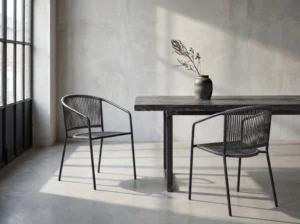
If you’ve been sourcing hotel furniture for a while, you’ve noticed something: carbon steel and wrought iron are making a serious comeback. And it’s not just about nostalgia. The new generation of steel outdoor furniture uses automotive-grade E-coating — the same anti-corrosion technology used in car bodies — followed by a heavy-duty powder coat. This dual-layer protection gives steel furniture a rust-free lifespan that rivals aluminum, at a fraction of the cost.
For hotels, this matters because steel’s strength allows for thinner, more elegant designs — think minimalist bistro tables with slender legs that still support real weight. It takes powder coating better than aluminum too, so you get richer, more consistent colors that photograph well for social media. And let’s be honest — in 2026, Instagram-worthy outdoor spaces drive booking decisions.
From a sustainability angle, steel is the most recycled material on the planet, with infinite recyclability without quality degradation — a strong talking point for hotel chains with ESG commitments.
Aluminum: Still a Workhorse, But Getting Expensive
Aluminum has long been the default choice for hospitality furniture, and for good reason — it’s lightweight, rust-proof by nature, and easy to move around. But here’s the catch: aluminum prices have surged over 30% in the past two years, driven largely by AI data center demand for aluminum-intensive cooling systems. For wholesale buyers buying in bulk, that price increase eats directly into margins.
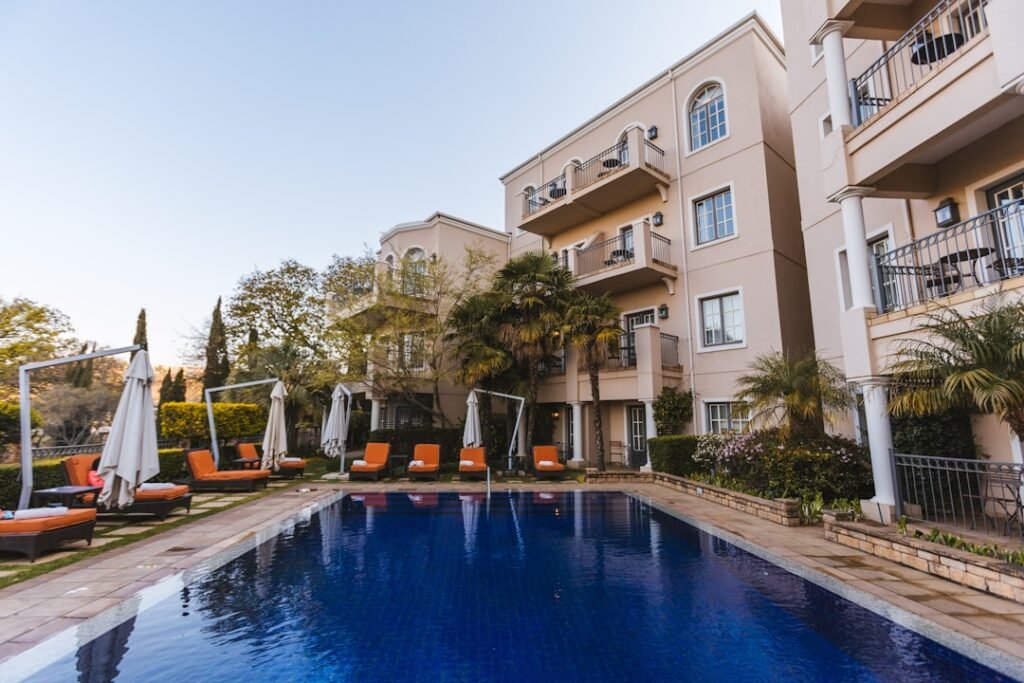
Where aluminum still shines is in coastal properties and poolside settings where every pound of weight saved matters. But for landlocked hotels and resorts that prioritize aesthetics and value, carbon steel is increasingly the smarter choice.
How to Evaluate Hotel Furniture Wholesale Suppliers
Not all wholesale suppliers are created equal. Here are the key factors hospitality buyers should evaluate before committing.
1. Manufacturing Capability and Lead Times
When you’re furnishing a 200-room resort or a hotel chain with multiple properties, you need a supplier who can handle volume without compromising quality. Ask about their production capacity, typical lead times, and whether they have experience with large hospitality projects. In our guide on the top outdoor furniture manufacturers in China, we found that manufacturers with in-house E-coating lines consistently deliver better quality control than those who outsource finishing.
2. Customization Options
Upscale hotels rarely use off-the-shelf furniture. They want custom colors, branded elements, and pieces that fit specific spatial dimensions. A good wholesale partner should offer RAL color matching, custom sizing, and the ability to add logo embroidery or laser-cut branding.
3. Warranty and After-Sales Support
Commercial furniture takes a beating. A 5-year frame warranty and 3-year finish warranty is the industry minimum for quality suppliers. Anything less should raise red flags. Also check if they stock replacement parts — because when a chair breaks mid-season, you can’t wait eight weeks for a replacement.
4. Shipping and Logistics
Wholesale furniture shipping is complex. The best suppliers use dedicated freight partners who understand how to pack and ship bulk orders without damage. Ask about FOB vs. CIF terms, and whether they handle customs clearance for international shipments.
Key Pieces Every Hotel Needs for Outdoor Spaces
Based on conversations with hospitality buyers and industry data, here are the essential furniture categories for hotel outdoor areas:
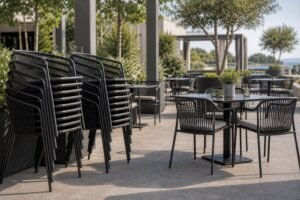
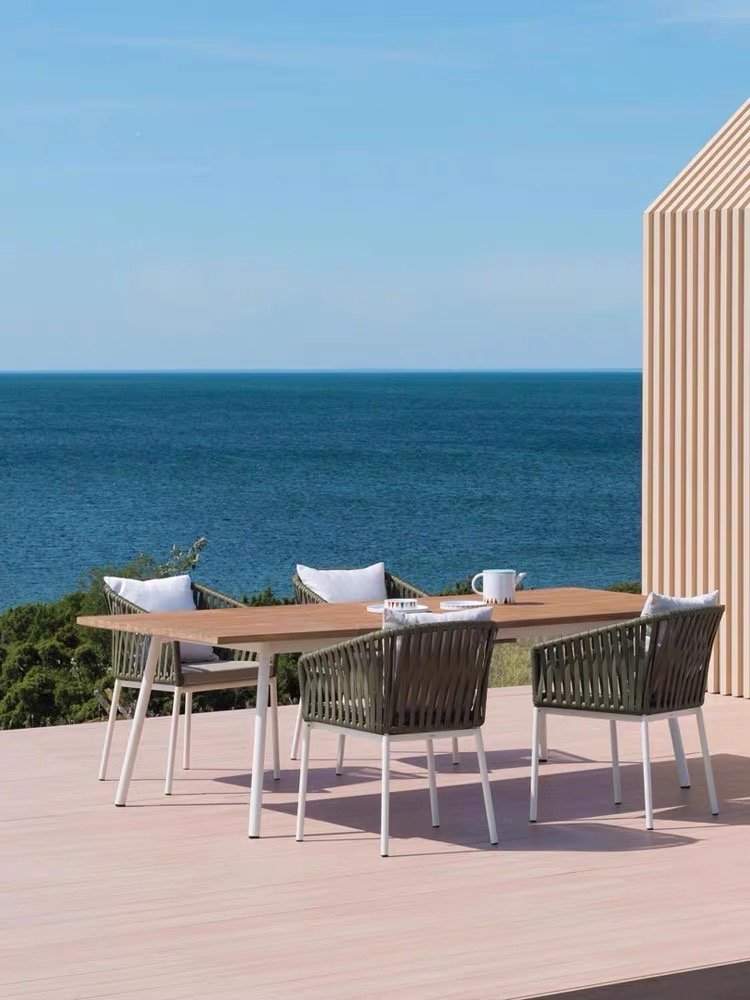
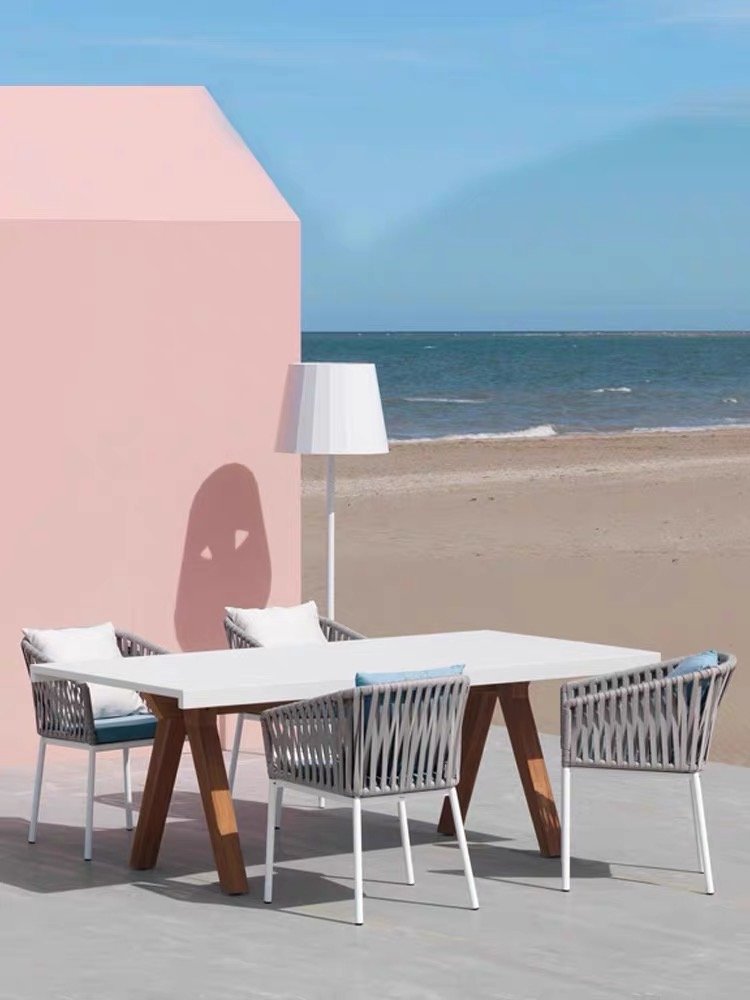
Dining Sets: Restaurants and cafe areas need durable, stackable dining sets. Carbon steel bistro tables with powder-coated finishes are trending for their classic look and longevity. Look for reinforced table leg brackets and chairs that can be stacked at least 6 high for easy storage.
Pool Loungers: Adjustable chaise lounges with UV-resistant rope or Textilene webbing. Commercial-grade loungers should support 300+ lbs and have reinforced welds at stress points. Quick-dry foam cushions are a must for poolside use.
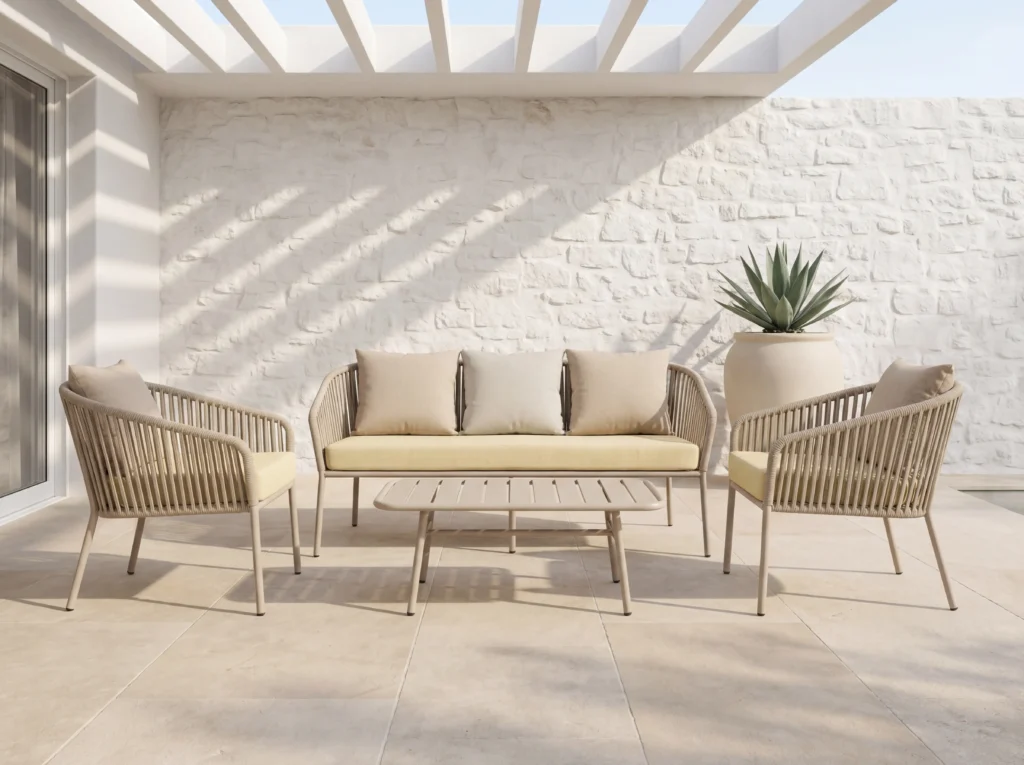
Lounge Seating: Deep seating sofas and armchairs for lobby patios and terrace bars. Modular configurations are increasingly popular, letting hotels rearrange layouts seasonally without buying new furniture each time.
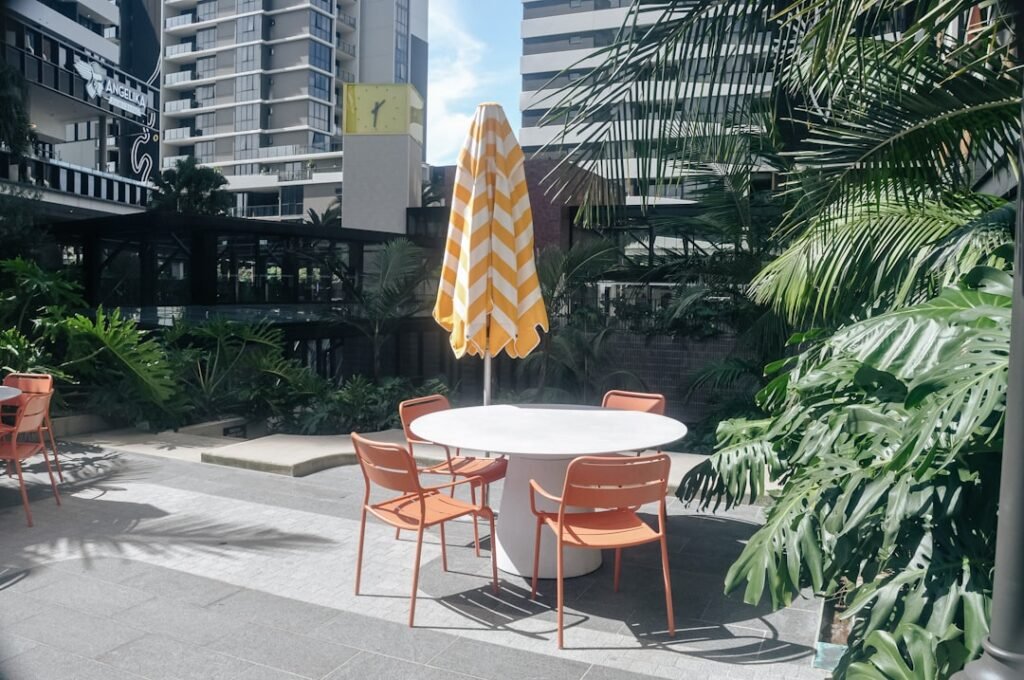
Umbrellas and Shade: Commercial-grade umbrellas with wind vents, tilting mechanisms, and Sunbrella fabric. Don’t skimp here — a broken umbrella on a windy day creates a bad guest experience fast. Base weight should match umbrella size.
Side Tables and Accents: Small tables, planters, and fire pit seating that tie the space together. These may seem minor, but they’re what guests photograph and post on social media, giving your property free marketing.
Cost Considerations: What to Expect When Buying Wholesale
Let’s talk numbers. Wholesale pricing for commercial hotel furniture varies widely based on material, quantity, and customization level. Here’s a rough ballpark for 2026:
- Carbon steel dining chair (commercial grade): $10 – $20 per unit (FOB China)
- Aluminum stackable chair: $65 – $120 per unit
- Steel bistro table (27″ round): $15 – $35
- Pool chaise lounge (Textilene): $80 – $180
- Modular sofa set (3-piece): $400 – $900
- Commercial umbrella (10′ with base): $150 – $350
These are factory-direct prices. Markups vary depending on whether you go through an importer, distributor, or manufacturer directly. For hotel chains buying 500+ units, direct factory sourcing typically saves 20-35% compared to going through intermediaries. Don’t forget to factor in shipping costs (typically 15-25% of the product cost for sea freight), customs duties, and any local delivery fees for the final mile. But before you commit, read our deep dive into the hidden costs of B2B outdoor furniture sourcing for a full breakdown of what adds up beyond the unit price.
For a deeper look at material cost comparisons, check out our comprehensive outdoor furniture materials guide that breaks down the long-term value of steel vs. aluminum for commercial buyers.
Seasonal Trends and Buying Cycles for Hotels
Smart hotel buyers plan their furniture purchases around seasonal cycles. The standard pattern: place orders in late fall or winter (November-February) when factories have capacity and shipping rates are lower, receive shipments in early spring (March-April), and install before the peak summer season. Ordering during peak season (April-July) often means paying 15-25% more for rush shipping and competing with other buyers for factory capacity.
Another trend we’re seeing in 2026: hotels are increasingly replacing furniture in phases rather than all at once. This spreads out capital expenditure and allows properties to maintain a “new” look year after year. A typical phased approach might replace 25% of furniture each year over a four-year cycle, keeping the property fresh without a massive one-time investment. If this phased approach sounds interesting, our commercial outdoor furniture guide for cafes has a detailed breakdown of how phased replacement works in practice.
Ready to Source Hotel Outdoor Furniture at Wholesale Prices?
Whether you’re furnishing a boutique hotel, a beachfront resort, or a chain of corporate properties, getting the right furniture at the right price requires a partner who understands hospitality-grade quality standards. At Colors Furniture, we specialize in custom commercial outdoor furniture for the hospitality industry — from design consultation to bulk production to worldwide shipping.
Contact us for a wholesale quote tailored to your project’s specific needs.