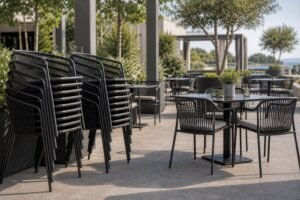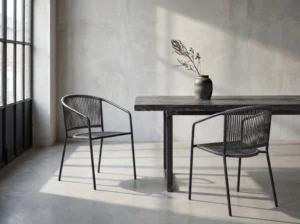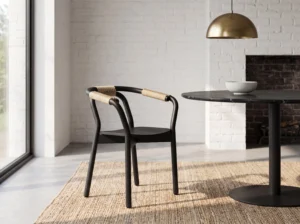
In my 16 years of manufacturing and exporting outdoor furniture, I have seen countless B2B buyers obsess over designs and fabrics, only to fall into a catastrophic trap regarding the most foundational element: outdoor furniture materials.
In today’s global economic climate, B2B wholesalers and commercial project managers are facing immense cost pressures. Everyone is searching for the ultimate “cost-effective” solution. However, blindly chasing cheap materials leads to a tsunami of customer complaints, while rigidly sticking to traditional, expensive materials will completely devour your profit margins.
Today, as an industry veteran, I am going to pull back the curtain on the supply chain. We will deeply analyze the most searched outdoor furniture materials on the market and reveal why the world’s smartest wholesalers are aggressively shifting toward one specific material.
1. The Trap of Plastic Patio Furniture: Cheap, Aging, and an Eco-Disaster
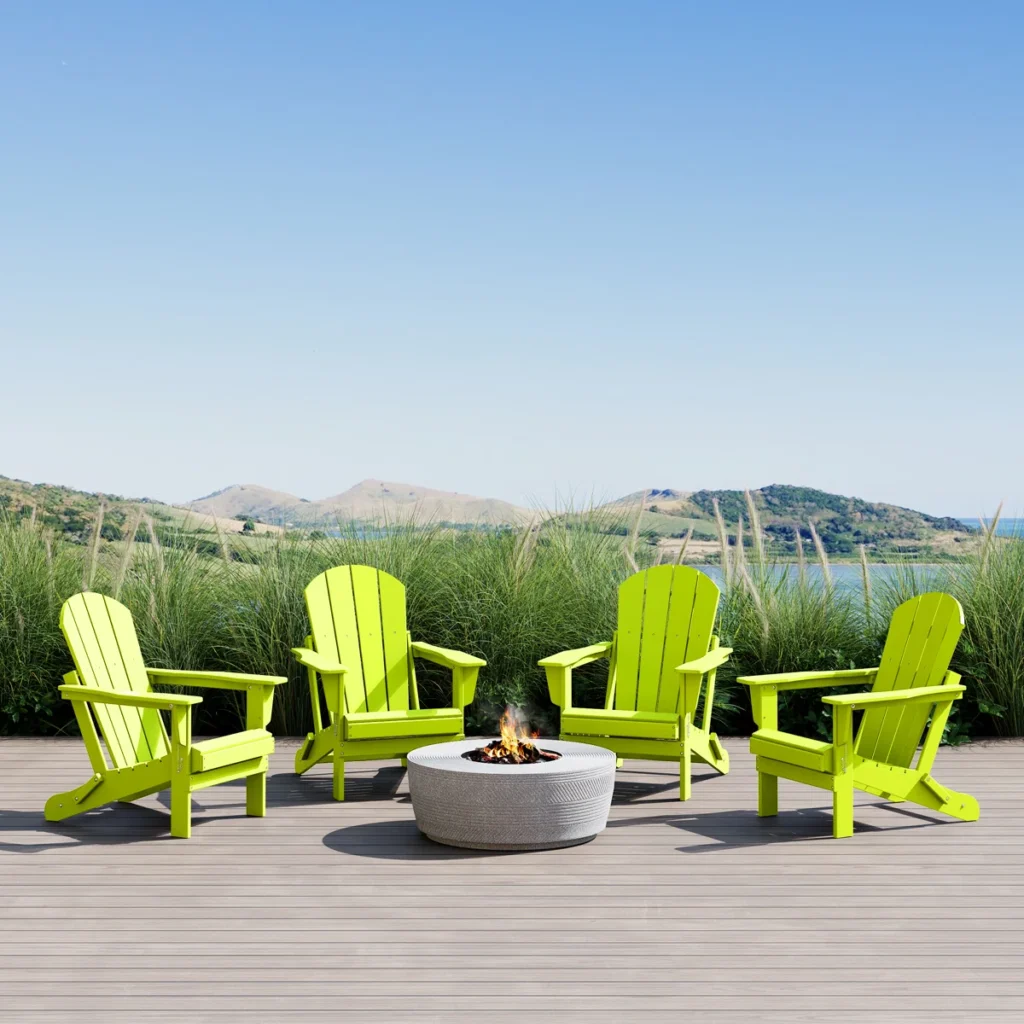
Let’s start with the bottom of the pyramid: plastic patio furniture. Its only real advantage is its incredibly low price and lightweight nature. For a low-end fast-food joint, it might serve as a temporary fix.
The Fatal Flaws:
First, in today’s “aesthetics equal justice” era, plastic inherently carries a strong sense of cheapness. It is impossible to create the premium, luxurious textures required for modern “Instagrammable” commercial spaces.
More importantly, plastic is notoriously vulnerable to the elements. Under intense UV sunlight, plastic rapidly ages, becomes brittle, and fades into a washed-out, chalky mess.
The Sustainability Nightmare: Plastic is highly non-eco-friendly. Discarded brittle plastic furniture ends up in landfills for centuries, shedding microplastics. For any modern brand or hotel trying to appeal to eco-conscious Gen Z consumers, filling your patio with disposable plastic is a PR disaster.
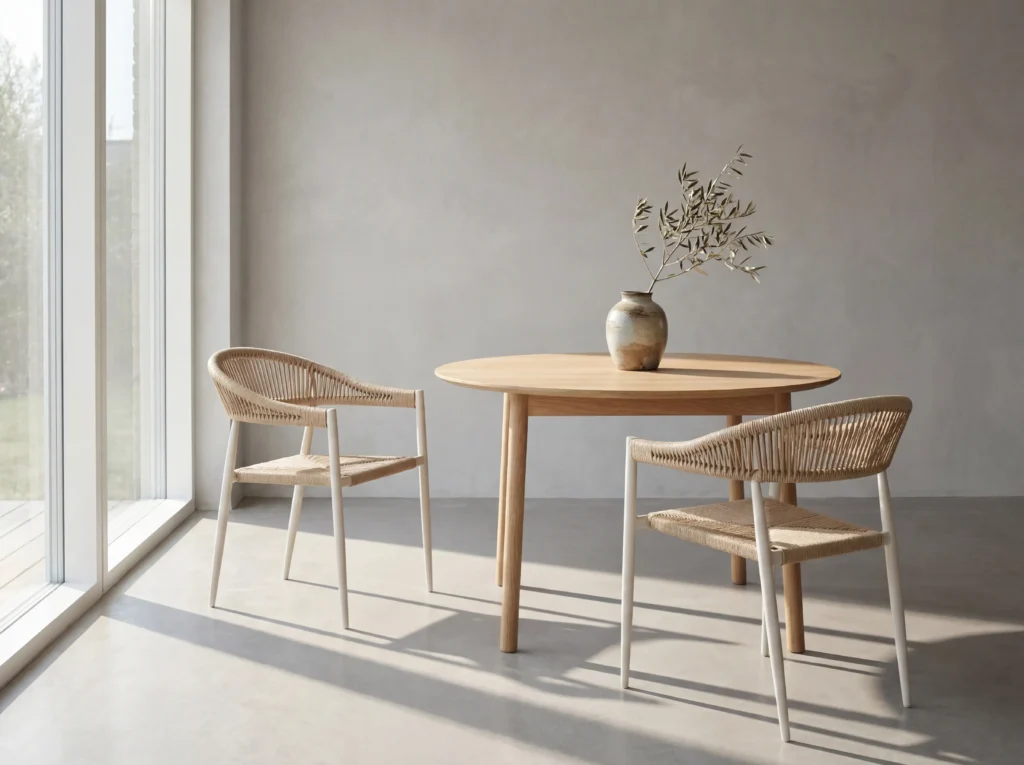
2. The High Maintenance Cost of Wood Patio Furniture: Expensive and Unsustainable
Solid wood, particularly teak, has long been regarded as the classic standard for luxury outdoor spaces. Wood patio furniture offers a natural, heavy texture that appeals to traditional buyers.
The Fatal Flaws:
However, placing solid wood outdoors is an absolute maintenance nightmare. Whether under the scorching sun of Dubai or the humid rain of Southeast Asia, wood is highly prone to cracking, warping, graying, and growing mold.
For hotel and restaurant owners, this means hiring expensive labor every single year to sand down and re-oil the furniture. This massive hidden maintenance cost slowly eats away at the project’s Return on Investment (ROI).
The Sustainability Nightmare: Furthermore, high-quality outdoor wood is staggeringly expensive, and its environmental cost is even higher. Producing teak and premium solid woods requires cutting down slow-growing forests, leading to severe deforestation. In a world moving towards strict ESG (Environmental, Social, and Governance) standards, wood is becoming a highly non-eco-friendly and ethically expensive choice.
3. The Crisis of Aluminum Patio Furniture: 30% Cost Surges & “Soft Bones”
Over the past decade, aluminum patio furniture became incredibly popular because it is naturally rust-free. Many buyers hear “aluminum” and think they are making a safe choice. But the brutal truth is that aluminum is quickly becoming a profit black hole for wholesalers.
Pain Point 1: The 30% Cost Explosion
In the current economic environment, the raw material cost of aluminum has skyrocketed, recently surging by over 30%. What does this mean? It means extremely high procurement costs. For B2B wholesalers needing to control budgets and maximize ROI, the profit margins on aluminum furniture have been severely squeezed.
Pain Point 2: Too Soft for Modern Minimalist Designs
Besides the soaring price, aluminum has a fatal physical flaw—it is too soft (low yield strength). What kind of furniture do modern consumers want? They want ultra-sleek lines, large-span skeletons, and minimalist, avant-garde styles.
Aluminum simply cannot support these large-skeleton designs. If you try to make an ultra-thin, minimalist chair frame out of aluminum, it will bend, collapse, and deform when a person sits on it. To guarantee weight-bearing capacity, aluminum furniture is forced to use thick, bulky, and clumsy tubes, which completely contradicts modern, forward-thinking aesthetics. (Not to mention, aluminum is often too light, making it prone to blowing over on high-rise hotel balconies or windy coastal resorts).
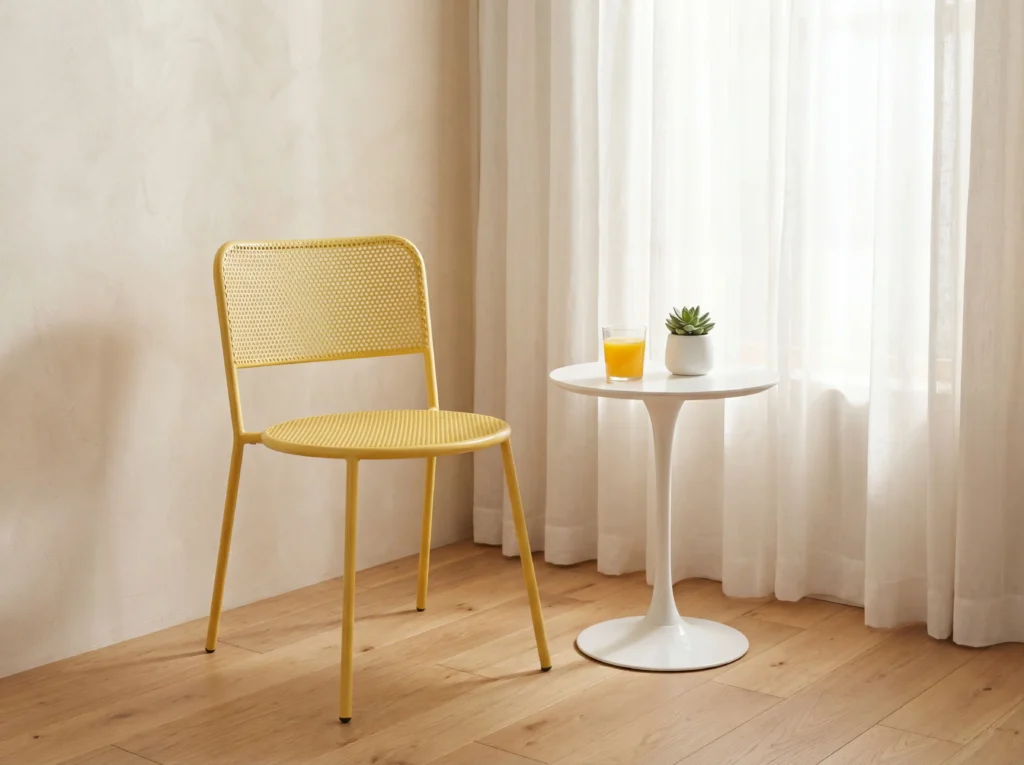
4. The Return of the King: Why Metal / Wrought Iron Patio Furniture is the Ultimate Winner
If plastic is an eco-disaster, wood is too hard to maintain, and aluminum is too expensive and soft, what is the ultimate breakthrough?
The answer is: High-carbon steel and wrought iron patio furniture treated with automotive-grade E-coating. This is the exact material that the majority of top-tier wholesalers and commercial buyers are aggressively pivoting to right now.
Why is metal patio furniture experiencing a massive global resurgence?
Advantage 1: Unrivaled Hardness Unleashes Ultimate Design Freedom
Unlike soft aluminum, iron and carbon steel are incredibly rigid and strong. This immense tensile strength allows us to break physical boundaries and create large-span, ultra-thin, and highly imaginative modern furniture.
🔗 Deep Dive into Design: As I detailed in our previous article, [The Balenciaga Effect & “Less is More”: How Modern Outdoor Furniture Styles Capture the Viral Traffic of Colors], the hardness of iron perfectly supports the “Less is More” minimalist philosophy. It is these dynamic, fashion-forward, large-skeleton designs that truly capture the aesthetics of the younger generation, bringing you massive “free social media traffic.”
Advantage 2: The Undisputed King of Cost-Effectiveness
While aluminum prices have surged by 30%, iron prices have remained highly stable and incredibly cost-effective. Not only is your initial procurement cost lower, but because iron allows for vastly superior, modern designs, the retail markup potential is much higher. This is the core logic of B2B procurement today: Use a lower cost to buy a better-designed, highly sought-after product.
Advantage 3: Flawless Color Application for Emotional Value
When treated with premium powder coating, the adhesion and texture on iron surfaces far exceed other materials. Iron can perfectly replicate any stunning hue from the Pantone color chart, making the furniture pop in any setting.
🔗 Deep Dive into Color: To understand how color drives commercial sales, I strongly recommend reading our foundational piece: [Beyond Boring: How the Revolution of Outdoor Furniture Colors Drives Business in the Social Media Era].
Advantage 4: 100% Eco-Friendly and Sustainable
Unlike toxic plastics or forest-destroying woods, iron and steel are the most recycled materials on the planet. They are infinitely recyclable without losing their strength. Choosing iron is a highly eco-friendly decision that aligns perfectly with the sustainability and ESG goals of modern corporate buyers.
But what about the rust?
In modern manufacturing, rust is a myth of the past. Our factory utilizes the exact same E-coating (electrophoresis) process used on automobile chassis, followed by a thick layer of outdoor-grade powder coating. This double-insurance technology gives our wrought iron patio furniture the same multi-year rust-proof lifespan as aluminum, but with infinitely more strength and style.
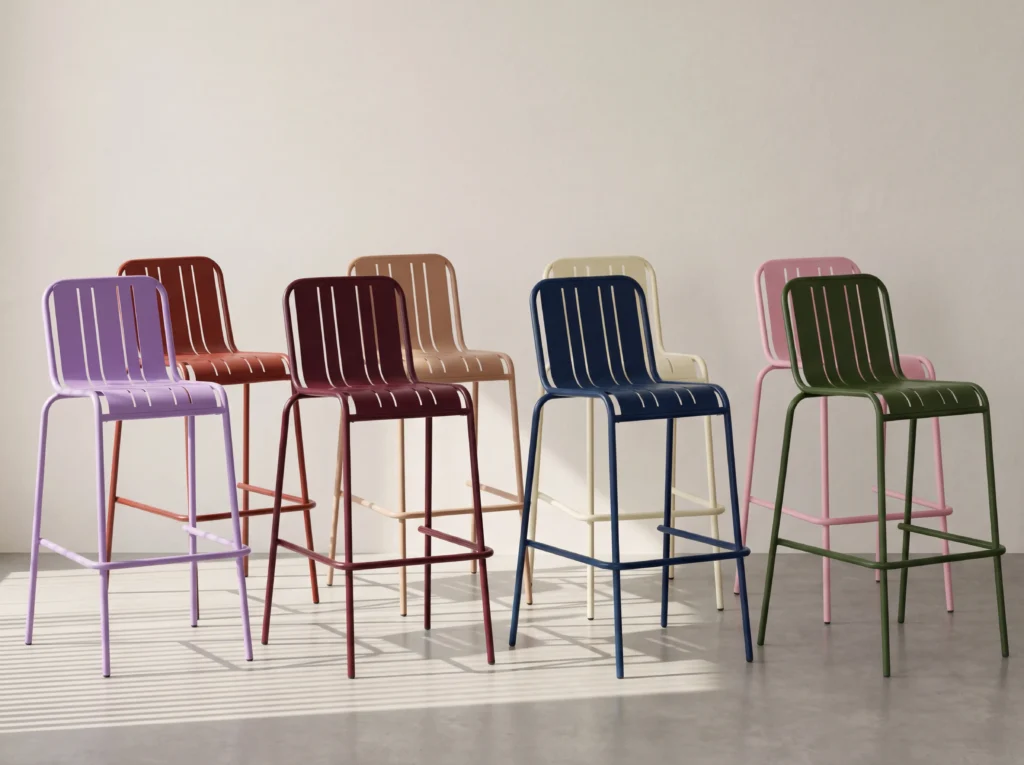
Don’t Just Take Our Word for It: Look Who’s Championing Metal Furniture
This strategic shift from aluminum to steel isn’t just a manufacturer’s prediction; it is a massive commercial transformation happening right now at the global retail level. Don’t believe me? Take a look at the latest 2025-2026 outdoor collections from the world’s biggest furniture retailers:
The Luxury Benchmark – Restoration Hardware (RH): As the icon of North American luxury home furnishings, RH’s outdoor collections heavily feature substantial, heavy-duty cast iron and steel. They use iron to create a timeless, classic, and monumental sense of luxury. RH’s choice proves one thing: in the high-end market, iron equals premium texture.
The Trendsetters – Crate & Barrel, CB2, West Elm: These brands, beloved by the modern middle class, have all launched extensive outdoor collections featuring sleek, minimalist powder-coated steel. Their latest catalogs are filled with slim-profile, colorful steel chairs and tables that perfectly embody the “Less is More” philosophy and appeal directly to a younger, design-savvy audience.
The Global King of Cost-Effectiveness – IKEA: This is perhaps the most convincing evidence. IKEA is the undisputed master of global supply chain optimization and cost control. In their latest outdoor ranges (like the “SJÄLLAND” series), they make extensive use of multi-layered, powder-coated steel. If IKEA—the god of cost-effectiveness—is choosing steel, it sends a powerful message to the entire B2B world: steel is the most scalable, cost-effective, and commercially viable outdoor metal material today, period.
From the ultra-luxury of RH to the mass-market appeal of IKEA, these retail giants have already cast their vote with hundreds of millions of dollars in procurement orders. They have confirmed the market truth for you: durable, cost-effective, eco-friendly, and beautifully designed iron/steel furniture is the most correct and most profitable choice for the coming years.
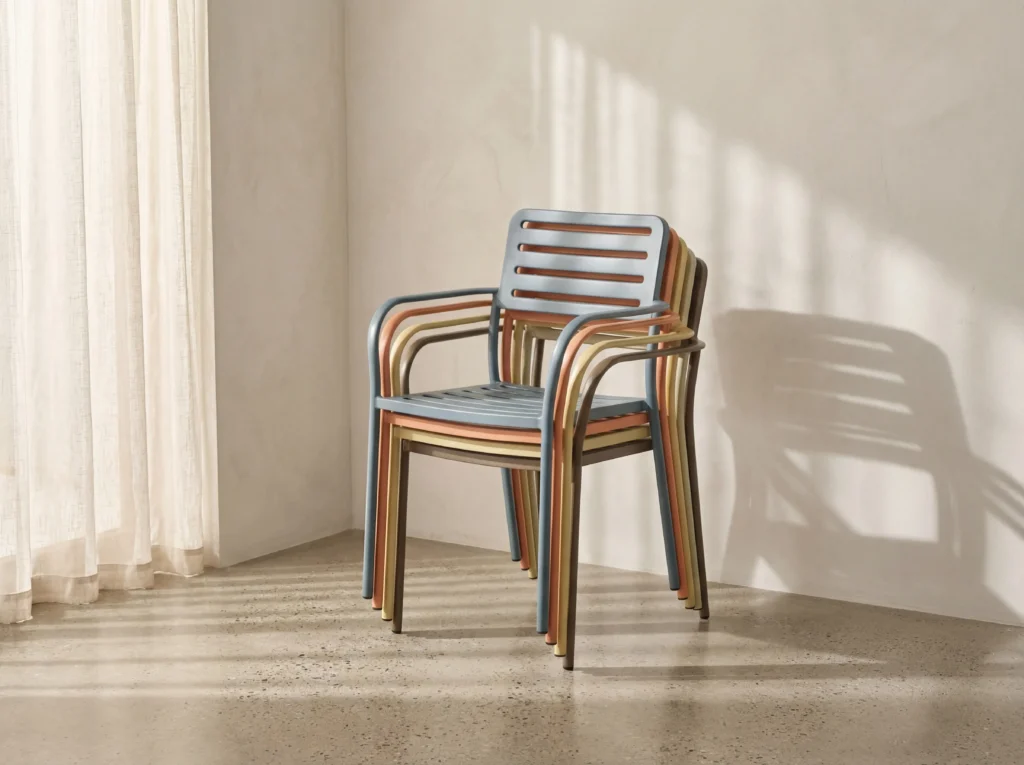
Conclusion: Don’t Pay for Compromises
In an era focused on social media marketing, ESG sustainability, and ultimate cost-effectiveness, blindly sticking to overpriced aluminum, high-maintenance wood, or cheap plastics guarantees you will be left behind by the market.
A piece of metal patio furniture that boasts automotive-grade rust prevention, highly controlled costs, 100% recyclability, and a viral, minimalist design is your ultimate weapon to dominate the competition.
If you want to optimize your procurement costs and ignite your local market with cutting-edge iron and rope designs, contact us today to get our latest catalog of best-selling commercial outdoor furniture!