The Designer’s Dilemma: When Aesthetic Vision Meets Material Science
In the realm of high-end commercial and residential bespoke metal outdoor furniture, the most compelling designs are defined by fluid curves and intricate details. For landscape architects and luxury resort designers, achieving these forms presents a critical choice: aluminum or steel. While aluminum is praised for its lightness, it reaches a structural and economic breaking point with complex geometries. For true design flexibility in custom wrought iron patio furniture, engineered carbon steel is not an alternative—it is the necessary foundation. The pursuit of dramatic custom bends and durable ornate carvings demands the superior strength, malleability, and integrity of steel.
The Physics of Form: Why Aluminum Bends Under Pressure
Understanding this divergence requires examining the inherent physical properties and forming processes of each material.
Aluminum’s Inherent Limitations in Custom Fabrication:
The Extrusion Wall: Complex aluminum forms are typically extruded, which is cost-effective for standard profiles but prohibitively expensive for unique, project-specific dies, stifling true custom furniture creativity.
Strength vs. Wall Thickness: Aluminum’s lower yield strength necessitates thicker wall sections for rigidity. Attempting a tight-radius bend on thick-walled aluminum tubing carries a high risk of cracking or deformation.
The “Springback” Challenge: Aluminum exhibits significant elastic springback when bent, requiring precise over-bending and specialized tooling, adding time and cost.
Steel’s Engineered Advantage for Complex Forms:
Superior Ductility and Strength: High-quality carbon steel offers an optimal balance. It can undergo severe deformation for tight-radius custom bends without failure, and its higher strength allows for the use of thinner walls to achieve stunning, delicate silhouettes that remain rigid.
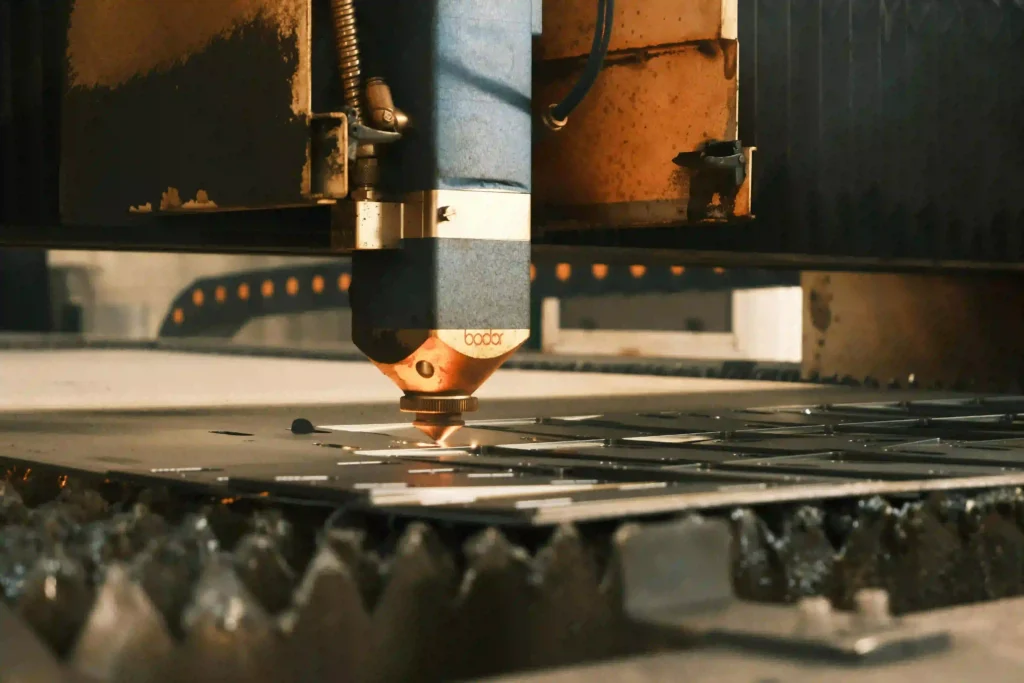
The Freedom of Fabrication: Steel is liberated from the extrusion die. It is shaped through forging, hot bending, and CNC tube bending, enabling organic, three-dimensional forms that are the epitome of design flexibility for a commercial steel furniture manufacturer.
The Art of Detail: Preserving Integrity in Ornate Carvings
Beyond bends, surface detailing is a hallmark of luxury. The material choice dictates both the fidelity of the art and its longevity.
Aluminum: The Risk of “Soft” Details: Carving intricate patterns into aluminum is possible, but the metal’s relative softness can render fine details susceptible to denting or wear over time, diminishing the piece’s premium appeal.
Steel & Wrought Iron: A Legacy of Crisp Durability: Wrought iron has a centuries-old heritage of supporting elaborate scrollwork. Modern carbon steel, when detailed via laser-cutting or forging, produces crisp, durable patterns. The material’s hardness preserves sharp definition, ensuring the design intent endures.
Addressing the Paramount Concern: E-Coating Neutralizes Aluminum’s Corrosion Advantage
Aluminum’s primary claim in outdoor applications has been its corrosion resistance. This historical advantage is now obsolete, thanks to advanced surface engineering.
The E-Coating Resolution: The question of rust is definitively answered by Automotive OEM-standard Electrophoretic Coating (E-Coating). This technology, transferred from automotive manufacturing, provides a molecular-level, pore-free barrier. Our E-coated carbon steel components consistently exceed 1,000 hours of Neutral Salt Spray (NSS) Testing, translating to a guaranteed 8+ years of rust-proof performance in harsh environments.
- The Best of Both Worlds: This means you are no longer forced to choose. You can specify the unmatched strength and formability of steel for your most ambitious hospitality furniture fabrication projects, without sacrificing the long-term corrosion resistance that was once aluminum’s sole domain.
The Structural Verdict: Performance in Demanding Applications
In commercial settings, furniture must be both sculptural and structurally sound.
Fatigue Resistance: Under constant cyclical loading, complex aluminum forms are more prone to metal fatigue at stress points near bends. Steel’s superior fatigue strength makes it the reliable choice for dynamic, thin-profile designs meant to last decades.
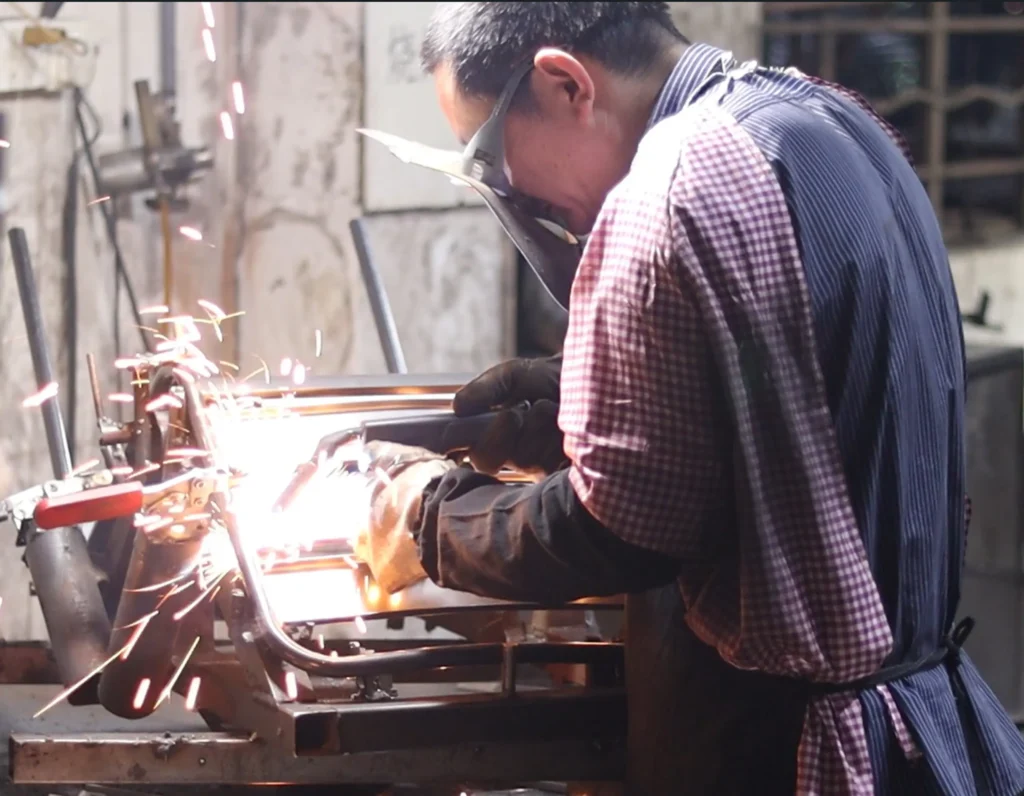
Weld Integrity for Complex Joints: Steel is renowned for its excellent weldability, producing strong, ductile joints critical for structural integrity in one-of-a-kind pieces. Aluminum welding requires more stringent controls and can create localized weak points.
Total Cost of Ownership for Heirloom-Quality Pieces
For the B2B buyer, the value of a custom piece is measured over its entire life.
Achieving the Vision Uncompromised: If the design requires complex forms, steel is often the only viable path to achieve it faithfully.
Legacy Longevity: A steel piece, protected by automotive-grade E-coating, will maintain its structural and aesthetic integrity far longer than an aluminum piece at its design limits, ensuring the asset endures.
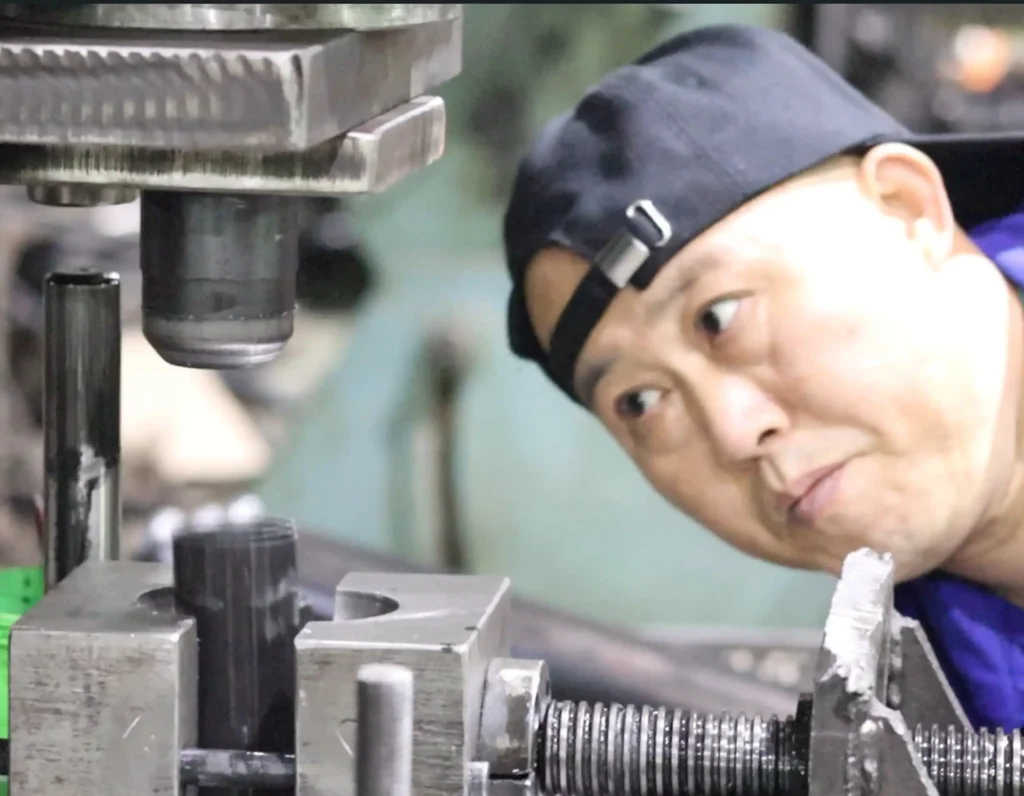
Partnership with a Fabricator: A skilled custom furniture manufacturer expert in steel can often execute complex designs more efficiently than dealing with the minimums and limitations of custom aluminum extrusion.
Conclusion: Specifying for Legacy, Not Just Specification
The choice between iron vs aluminum for high-end custom work is an engineering decision that defines the boundaries of creativity and durability. Aluminum excels for lightweight, modular systems. However, when the brief calls for sculptural forms, intricate details, and heirloom quality that must withstand commercial use, the verdict is clear. The strength, malleability, and now unequivocal corrosion resistance of modern steel make it the indispensable material. It transforms ambitious concepts into enduring, functional art.
Is Your Vision Pushing the Limits of Conventional Materials?
For Architects, Designers, and Procurement Specialists:
📐 Consult Our Engineering Team on Your Custom Design
Submit your concept for a feasibility and fabrication assessment.
⚙️ Explore Our Custom Steel & Wrought Iron Fabrication Gallery
See how we bring complex, rust-proof designs to life.
📄 Request a Project Specification & Quote
Receive a detailed proposal for your bespoke outdoor furniture project.