When it comes to outdoor furniture, durability and longevity are the names of the game. A common question naturally arises: Are outdoor furniture covers actually worth it?
In this guide, we’ll dive into the truth about furniture covers—how they protect your investment and how to use and maintain them to maximize their effectiveness. We’ll cover everything from core features to performance factors, ensuring your gear stays in peak condition year-round. Ready to get into the essentials? Let’s dive in.
1. What Exactly is an Outdoor Furniture Cover?
Outdoor furniture covers have become a staple for backyard living, thanks to their protective qualities, affordability, and sheer practicality. But what are they, exactly?
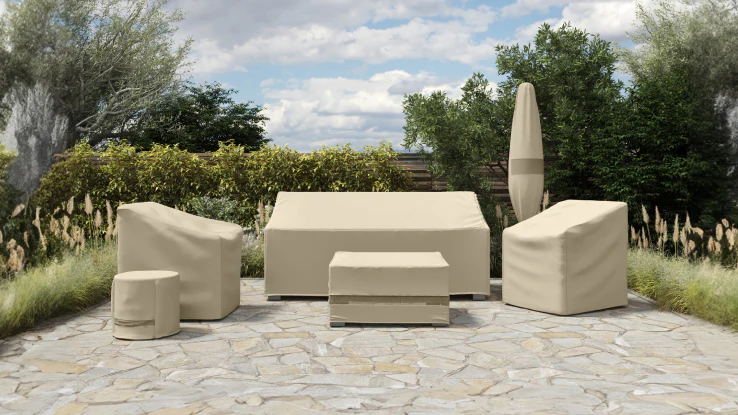
Simply put, an outdoor furniture cover is a high-performance protective sleeve designed to shielded your pieces from the elements. They are typically crafted from heavy-duty materials like polyester, canvas, Oxford cloth, or specialized composites. Key features—such as waterproof coatings and UV inhibitors—give them the unique ability to repel rain, block sun damage, and keep dust at bay.
The Real Talk
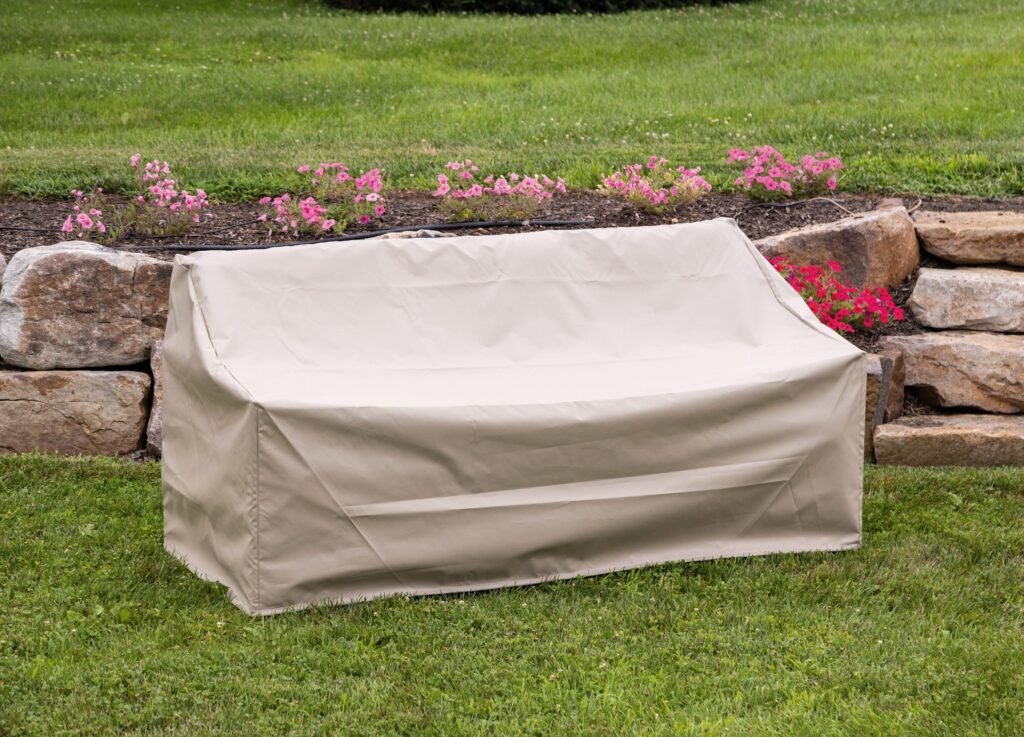
The truth is that furniture covers are celebrated for their durable, utilitarian design. They are tailor-made for various setups, including sofas, dining sets, loungers, and umbrellas. Unlike makeshift tarps or temporary wraps, a high-quality cover effectively seals out moisture and UV rays, making it the gold standard for long-term preservation.
The Catch
While these covers are highly effective, they aren’t invincible. Pro-longed exposure to extreme weather or poor maintenance can eventually lead to wear and tear. However, compared to leaving furniture exposed or using “DIY” solutions, professional covers offer vastly superior resistance to aging, fading, and structural damage. They are rugged, easy to maintain, and—perhaps best of all—drastically reduce how often you have to scrub your furniture.
Table1:Professional Covers vs. Alternatives
| Feature | Professional Furniture Covers | Temporary Tarps/Plastic | No Cover (Exposed) |
|---|---|---|---|
| Material Quality | High-grade polyester/Oxford | Low-grade PE or plastic | N/A |
| Breathability | High (prevents mold/mildew) | Very Low (traps moisture) | N/A |
| UV Resistance | Excellent (UV inhibitors) | Poor (cracks over time) | None (fades rapidly) |
| Fit & Aesthetics | Custom/Contoured fit | Bulky and unsightly | Longevity |
| Clean (until it gets dirty) | Multi-season durability | Short-term/Disposable | Shortens furniture life |
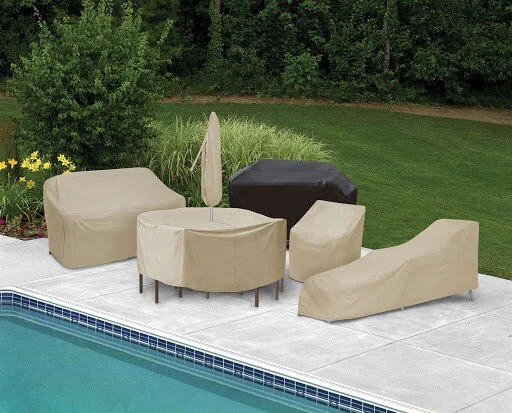
2. What is the Primary Purpose of Outdoor Furniture Covers?
At its core, an outdoor furniture cover is about protecting your investment. High-quality patio furniture often comes with a significant price tag. Without protection, constant exposure to UV rays, rain, dust, and temperature swings can lead to rapid fading, cracking, mold growth, or corrosion. A cover acts as a robust physical barrier that neutralizes these threats, significantly extending the life of your furniture.
Here is a closer look at how these covers provide essential protection:
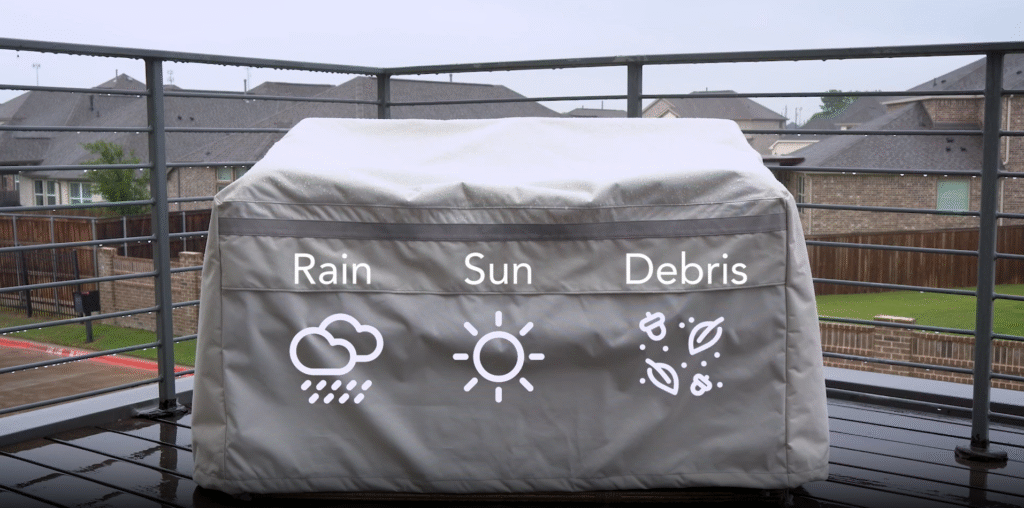
UV Protection: Solar radiation is one of the leading causes of furniture aging, making materials brittle and causing colors to wash out. High-quality covers feature UV-resistant layers that effectively block these harmful rays.
Water and Moisture Resistance: Rain and humidity are major catalysts for metal rust, wood rot, and mildew. Premium covers utilize waterproof coatings to keep water out, while integrated ventilation allows airflow to prevent condensation from building up underneath.
Debris and Dust Shielding: Falling leaves, pollen, and bird droppings don’t just look messy—they can cause permanent staining or abrasive scratches. Covers provide a “shield” that keeps these contaminants off your surfaces.
Enhanced Durability: By mitigating daily environmental wear and tear, covers drastically slow down the degradation of your furniture. This saves you money in the long run by reducing the need for costly repairs or premature replacements.
Table 2: Protective Mechanisms vs. Environmental Threats
| Threat | Protective Mechanism | Protective Effect |
|---|---|---|
| UV Rays | UV Coatings / High-Opacity Fabric | Prevents fading and material degradation |
| Rain & Humidity | Waterproof Coatings / Breathable Vents | Prevents rust, rot, and mold growth |
| Dust & Debris | Tight-Weave Fabric / Secure Fit | Reduces cleaning time and surface abrasion |
| Temperature Swings | Thermal Insulation Properties | Minimizes damage from thermal expansion/contraction |
3. Do Outdoor Furniture Covers Age and Wear Out?
The short answer is yes. Like any material exposed to the elements, outdoor furniture covers will eventually show signs of age. However, this is typically a gradual process, and the lifespan of a cover depends heavily on its material quality, the local climate, and how well it is maintained. Common signs of aging include the fabric becoming brittle, color fading, coating peel, or fraying at the seams.
Aging is generally driven by the following factors:
Continuous Sun Exposure: Prolonged UV exposure can degrade the structural integrity of the fabric, causing it to lose its tensile strength and lose its vibrant color.
Moisture and Temperature Extremes: Constant humidity—especially when combined with “freeze-thaw” cycles in colder climates—can accelerate material fatigue. Extreme heat or cold can also impact the flexibility and adhesion of waterproof coatings.
Mechanical Wear and Tear: The physical act of frequently putting the covers on and taking them off, as well as friction caused by high winds, naturally contributes to gradual wear.
The Good News: You can significantly delay the aging process by choosing the right product. Opting for covers made from UV-stabilized, solution-dyed fabrics and practicing basic maintenance (such as periodic cleaning and proper off-season storage) will keep them functional for years. Modern, high-end covers are specifically engineered to endure several seasons of harsh exposure before needing replacement.
4. Key Factors Influencing Performance
Choosing the right cover and ensuring it performs at its peak requires balancing several critical factors. Here is what you should consider:
Material Composition: This is the single most important factor in a cover’s performance.
Polyester: A popular choice known for its durability and water resistance, though breathability can vary.
Canvas: Heavily durable and naturally more breathable. It usually requires a waterproof treatment but comes at a premium price point.
Oxford Cloth: Often backed with PU or PVC coatings, this fabric offers an excellent balance of waterproofing, abrasion resistance, and cold-weather flexibility.
Recycled Materials: Options like recycled polyester provide a sustainable alternative without sacrificing protection.
Fit and Sizing: A proper fit is non-negotiable. If a cover is too loose, it will catch the wind like a sail; if it’s too tight, you risk tearing the fabric or scuffing the furniture corners. Choosing a size specific to your furniture model or a custom-fit option is ideal.
Essential Features:
Vents: Integrated air vents promote circulation, reducing internal condensation and preventing the dreaded growth of mold and mildew.
Reinforced Seams & Security Straps: Double-stitched seams and click-close straps enhance longevity and ensure the cover stays put during heavy storms.
Coating Types: For instance, PU (Polyurethane) coatings are generally more eco-friendly and remain flexible in freezing temperatures compared to PVC coatings.
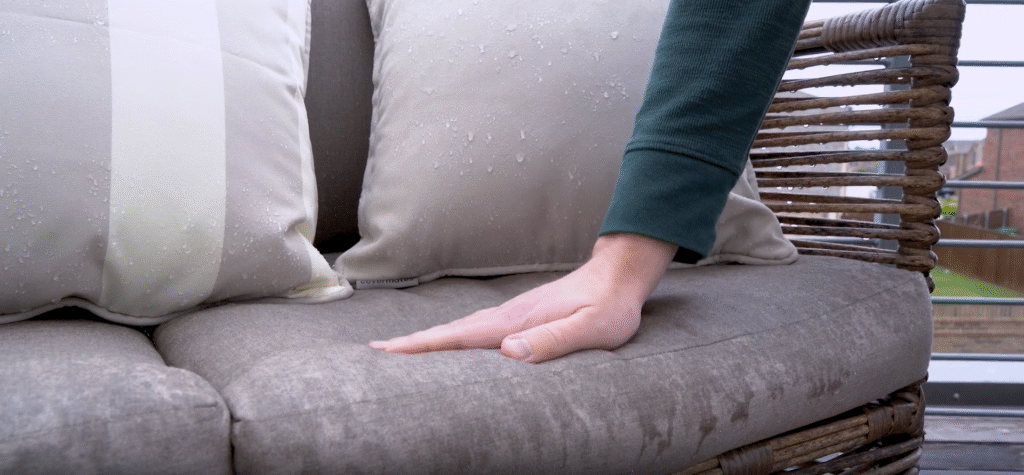
Table 3: Comparison of Material Characteristics
| Material | Waterproofing | Breathability | Durability | Cost | Best For... |
|---|---|---|---|---|---|
| Polyester | Good | Moderate | Good | Budget-friendly | General everyday protection |
| Canvas | Good (Treated) | Excellent | Excellent | Higher | High-rain or humid climates |
| Oxford (PU) | Excellent | Very Good | Excellent | Mid-range | High-performance versatility |
| Recycled Poly | Good | Moderate | Good | Variable | Eco-conscious consumers |
5. How to Properly Use and Maintain Your Covers
Correct usage and routine maintenance don’t just improve the protective effect—they also significantly extend the service life of the covers themselves.
Best Practices for Use
Clean and Dry First: Before covering your furniture, ensure the surfaces are free of debris and completely dry. Trapping moisture or dirt underneath the cover can lead to mold growth or finish damage.
Prioritize Ventilation: Even if your covers feature built-in vents, it’s a good idea to remove them periodically on clear, sunny days to let your furniture “breathe” and prevent any stagnant air buildup.
Secure the Fit: Always utilize the built-in straps, buckles, or elastic hems. A secure fit prevents the cover from flapping in the wind, which causes friction damage to both the cover and the furniture.
Cleaning and Care
Regular Spot Cleaning: Use a soft cloth, mild soap, and lukewarm water to wipe down the exterior. For stubborn spots, a soft-bristled brush can be used to gently scrub the fabric.
Follow the Labels: Many covers are hand-washable or even machine-washable (on a delicate cycle), but you should always check the manufacturer’s instructions. Avoid harsh chemical cleaners or bleach, which can strip away waterproof coatings.
Air Dry Only: After cleaning, rinse thoroughly and hang the cover to dry in a shaded area. Avoid high-heat dryers or direct, intense sunlight during the drying process to prevent shrinkage.
Seasonal Storage
When the covers are not in use for an extended period (for example, during the peak of summer), store them properly. Ensure they are completely dry before folding or loosely rolling them up. Store them in a cool, dry place—ideally in a storage bag—to keep them dust-free and ready for the next season.
6. Common Myths vs. The Reality
Myth 1: “A completely airtight cover is the best option.” The Reality: Total lack of airflow (common in cheap, pure PVC covers) actually traps moisture and causes condensation. This creates a greenhouse effect that can lead to mold and mildew. A balance of water resistance and breathability is essential.
Myth 2: “All covers are the same; I’ll just buy the cheapest one.” The Reality: Budget covers often use low-grade materials and thin coatings that crack within a single season. They offer poor protection and require frequent replacement, making them more expensive in the long run than investing in a high-quality “buy once, cry once” product.
Myth 3: “Once the cover is on, I don’t have to worry about it anymore.” The Reality: Covers aren’t “set it and forget it.” They still require periodic inspections, cleaning, and occasional venting to ensure no moisture has been trapped and that the furniture remains in pristine condition.
7. Conclusion
Outdoor furniture covers are a highly cost-effective tool for protecting your investment and significantly extending the life of your patio set. While covers will naturally age over time, choosing the right material, ensuring a snug fit, and following a basic maintenance routine will maximize their protective capabilities for years to come.
A little bit of smart investing and consistent care goes a long way. With the right protection, your outdoor living space will remain beautiful, comfortable, and ready to enjoy for many seasons to follow.
Call to Action
As outdoor living becomes an extension of the home and the demand for quality rises, protecting your investment has never been more important. Now is the perfect time to elevate both the durability of your furniture and the aesthetic value of your space through professional-grade protection.
Whether you are looking for comprehensive coverage for a brand-new set, hoping to breathe new life into your current furniture, or seeking a hassle-free, “one-stop” maintenance solution, we are here to safeguard your outdoor lifestyle.
Download Our Complete Maintenance Guide for exclusive product recommendations, or Schedule a Free Consultation with our outdoor furniture specialists today. Let’s work together to create a more durable, beautiful outdoor living experience.