Quality is in the Details
In the world of outdoor living, the right material is the heartbeat of a product’s quality and longevity. While design and branding are essential, it is the material composition that truly defines durability and practicality. Carbon steel and aluminum alloy have emerged as the two industry standards for outdoor furniture—both are rugged, aesthetically versatile, and engineered for the elements.
But if you’ve ever shopped for patio gear, you’ve likely faced the ultimate dilemma: Should I choose carbon steel or aluminum?
While they may look similar on the surface, their performance profiles and long-term value are worlds apart. Understanding these nuances will help you make an informed decision and select the gear that best fits your outdoor lifestyle.
The Rise of Outdoor Metal Furniture
Outdoor furniture has evolved from simple utility to a symbol of a refined lifestyle. Modern consumers demand a “best-of-both-worlds” scenario: pieces that can withstand harsh environments while maintaining high-end aesthetic value.
Unlike wood, which is prone to rot, or plastic, which fades and becomes brittle, metal furniture maintains its structural integrity over time. It is immune to sun bleaching, heavy rain, and high humidity. Furthermore, metal’s recyclability and extreme durability align with the modern push for sustainability. For the consumer, this means fewer replacements, a longer product lifecycle, and a better overall experience.
Carbon Steel vs. Aluminum: What Sets Them Apart?
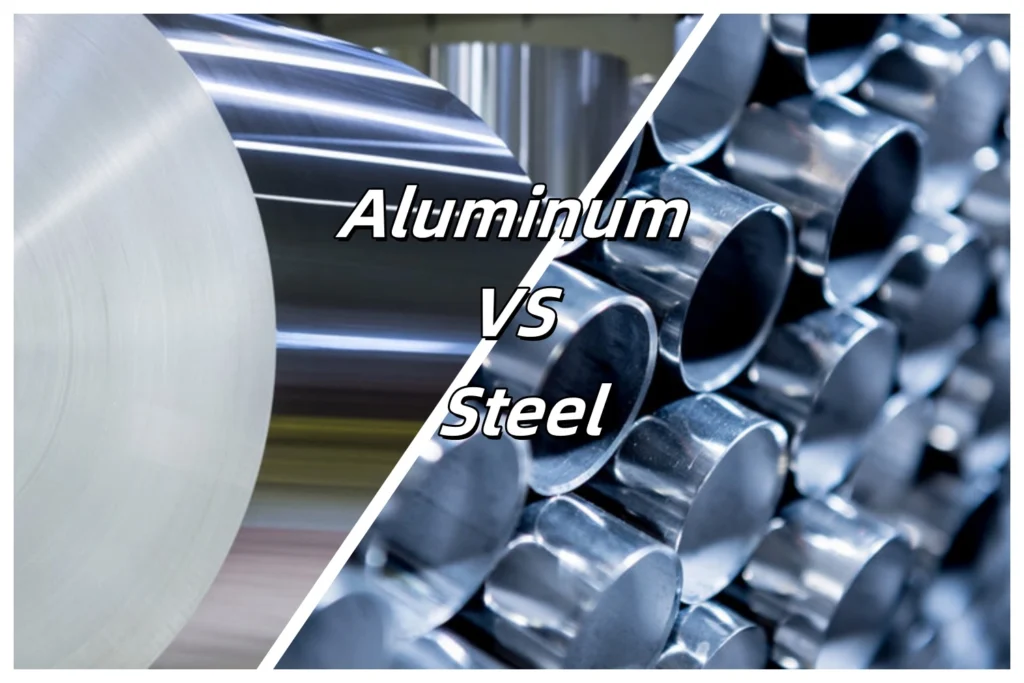
The fundamental difference lies in their chemical composition and physical properties.
Carbon Steel: Primarily composed of iron and carbon, it is characterized by high tensile strength and toughness. This makes carbon steel furniture incredibly stable; it stays grounded even under heavy loads.
Aluminum Alloy: Based on aluminum blended with other elements, this material is celebrated for being feather-light and naturally rust-proof.
The Key Distinction: Carbon steel offers superior shock absorption and a “solid” feel but is notably heavier. Aluminum is the king of lightweight portability and corrosion resistance.
In practical terms, this means carbon steel is the “heavy-duty” choice—perfect for large, stationary dining sets—while aluminum is the “outdoor-grade” champion, ideal for portable furniture that needs to be moved or carried frequently.
Durability Defines Value
Outdoor gear must endure the “four seasons” test. While both materials are durable, they serve different purposes:
Carbon Steel: Typically manufactured with thickened tubing, it offers a rock-solid structure that remains stable even on uneven terrain. With modern surface treatments like galvanization and professional powder coating, its corrosion resistance is significantly enhanced for standard outdoor use.
Aluminum: Naturally corrosion-resistant, aluminum does not rust like steel, making it the superior choice for high-humidity or rainy climates. It performs exceptionally well in coastal areas where salt air quickly degrades other metals.
Balancing Portability and Practicality
The weight of your furniture directly impacts how you use it. Aluminum is significantly lighter than carbon steel. For example, a 90 x 60cm “egg-roll” folding table made of carbon steel weighs roughly 4kg, while the aluminum version weighs only 3.5kg. This difference becomes substantial when you are hauling multiple pieces to a campsite.
However, carbon steel bridges the gap through clever engineering. Many carbon steel designs feature sophisticated folding mechanisms that allow them to collapse into a compact size, fitting easily into a car trunk despite their sturdiness.
Table: Carbon Steel vs. Aluminum Comparison
| Feature | Carbon Steel | Aluminum Alloy |
|---|---|---|
| Average Weight (90x60cm Table) | Approx. 4kg | Approx. 3.5kg |
| Corrosion Resistance | Good (with surface treatment) | Excellent (Natural) |
| Load Capacity | High / Heavy-duty | Moderate |
| Price Point | Budget-friendly | Mid-to-High Range |
| Core Advantage | Stability & Strength | Portability & Rust-proofing |
Environmental Adaptability
Metal reacts to its surroundings. Aluminum furniture can be sensitive to temperature swings, becoming very hot in direct sunlight and icy to the touch in the cold. Carbon steel, thanks to its thicker protective coatings, tends to have a slower rate of thermal conductivity.
In wet environments, aluminum wins by a landslide. While carbon steel is treated for protection, any deep scratch in the coating can expose the metal to rust. For a covered or fixed patio, carbon steel is an excellent choice; for furniture fully exposed to the elements or the ocean breeze, aluminum is the safer bet.
Why High-End Brands Choose Aluminum
Many premium outdoor brands favor aluminum—specifically high-gauge aluminum with a wall thickness of at least 1.2mm. This is because aluminum perfectly marries form and function. It provides a sleek, modern look while guaranteeing multi-season durability. It caters to the aesthetic demands of high-end outdoor living where furniture is expected to be as refined as indoor decor.
Making the Right Choice: Match the Material to Your Needs
Choose Carbon Steel if:
You prioritize maximum weight capacity and stability.
The furniture will stay in a fixed location.
You are looking for a high-performance, cost-effective option.
Choose Aluminum if:
You frequently rearrange or transport your furniture (camping, picnics).
You live in a high-humidity or coastal area.
You want a “set it and forget it” low-maintenance solution.
Conclusion: Investing in Your Outdoor Future
Choosing outdoor furniture is more than a purchase—it’s an investment in your lifestyle. The choice between carbon steel and aluminum is a trade-off between rock-solid stability and flexible portability.
The best furniture doesn’t just look good in the showroom; it performs beautifully years down the line. By matching the material to your specific environment, you ensure that every outdoor moment is comfortable, stress-free, and built to last.
 Curate your outdoor escape with furniture made for lasting memories. For outdoor furniture that doesn’t just furnish your space — it secures your moments.