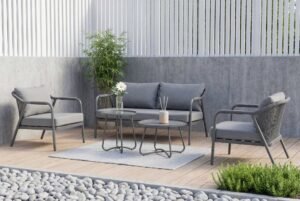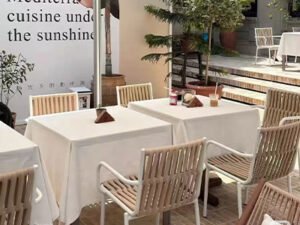
A single chair can infuse a space with relaxation and vitality.
In the dining room designs of 2026, naturalism has evolved beyond simple greenery or wood accents. It has become a sophisticated pursuit of texture, light, and airflow. Among the myriad of choices, the rope chair has emerged as the premier selection for crafting an organic, relaxed atmosphere due to its unique material language.
Behind this trend is a deep desire among urban dwellers to escape rigid structures and return to softness. No longer reserved for the outdoors, rope chairs are systematically entering the home, creating a captivating “soft-meets-hard” dialogue with modern minimalist frames.
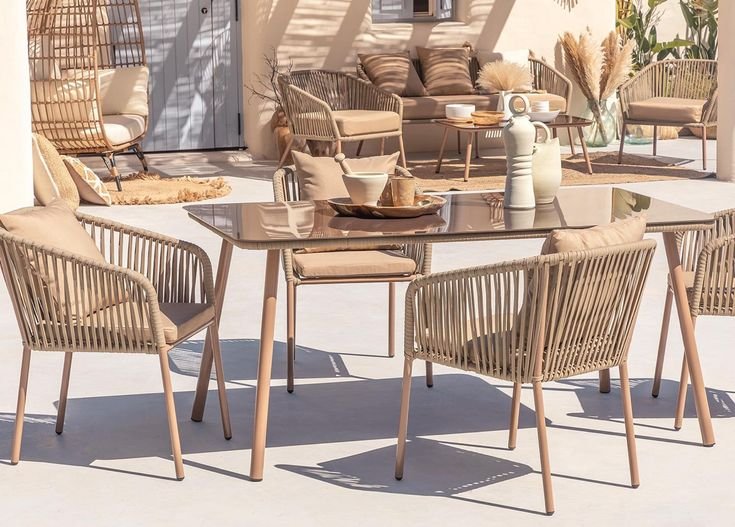
Why Rope? A Material Revolution in Naturalism
The core of naturalist design lies in establishing an authentic connection between humans and materials. The charm of the rope chair stems from its perceptible craftsmanship and sense of life.
Tactile Warmth: Unlike cold metal or rigid chairwood, rope offers a tactile-first experience. Every weave tells a story of handcrafted traces, providing a warm, comfortable seating experience.
Visual Breathability: The open-grid weave allows light and sightlines to pass through freely. This significantly reduces the “visual weight” of the furniture, ensuring that even a dining chairs set of 6 in a small apartment won’t feel crowded.
A Refined Dialogue: Balancing the Raw and the Polished
The rise of the rope chair is not a simple repetition of primitive aesthetics; it is a sophisticated interaction with modern minimalism.
Material Contrast: A classic rope chair features a dialogue between tough ropes and sharp frames—be it sleek black dining chairs with steel skeletons or warm oak supports. This contrast achieves a high-end balance between refinement and nature.
Structural Deconstruction: In 2026, rope is used with restraint. It may appear as a subtle woven detail on a solid wood backrest or as a comfortable seat pad on a metal frame. This “less is more” approach turns the rope into a signature textural symbol rather than an overwhelming style statement.
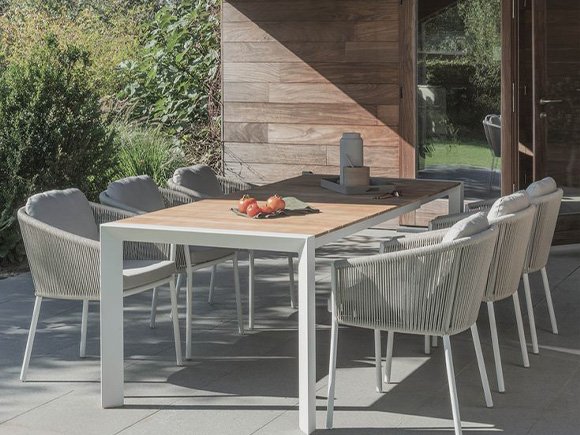
2026 Pairing Strategies: Crafting the “High-End Breathable” Dining Room
Spatial Venting: In rooms dominated by heavy marble table and dining chairs sets or dark cabinetry, rope chairs act as visual “vents”. They break up the heaviness and add a rhythmic lightness to the space.
Monochromatic Texture Play: For a harmonious look, choose a tone-on-tone palette. Pair light oak frames with cream or grey ropes. This allows the unique texture of the weave to create subtle layering against smooth wood or stone surfaces.
The Versatile Focal Point: Rope chairs are highly inclusive. They can soften the coldness of industrial cement walls, resonate with the organic textures of Wabi-Sabi, or provide a warm counterpoint in ultra-minimalist interiors.
Buying and Maintenance Tips
Material Choice: Natural fibers (like paper cord or seagrass) offer a warmer texture but require moisture protection. High-performance synthetic fibers (like PE rattan) are more durable, waterproof, and ideal for high-traffic kitchen chairs.
Structural Integrity: Ensure the frame is stable and the weaving is tight and uniform. Test the seat for elasticity and support.
Daily Care: Use a soft brush or vacuum to remove dust. For stains, wipe gently with a damp cloth and mild detergent. Avoid prolonged exposure to direct sunlight and periodically check for loose knots.
Conclusion
The resurgence of the rope chair signifies a shift in our living philosophy: from pursuing perfect form to caring for authentic physical and emotional feelings. Choosing a rope chair for your 2026 dining space is a choice to leave room for life to breathe.